Essaouira
A fortified Atlantic port with a walled medina, sea air and an unhurried pace.

- Type of place
- City
- From Marrakech
- About 180 km by road
Essaouira is a walled port town on Morocco’s Atlantic coast, west of Marrakech. Built in the second half of the eighteenth century as a fortified trading port, and known for centuries to Europeans as Mogador, it has a medina listed by UNESCO, a working fishing harbour and a fresher, windier climate than the cities inland.
Highlights
- A UNESCO-listed medina, laid out to a plan in the 1760s
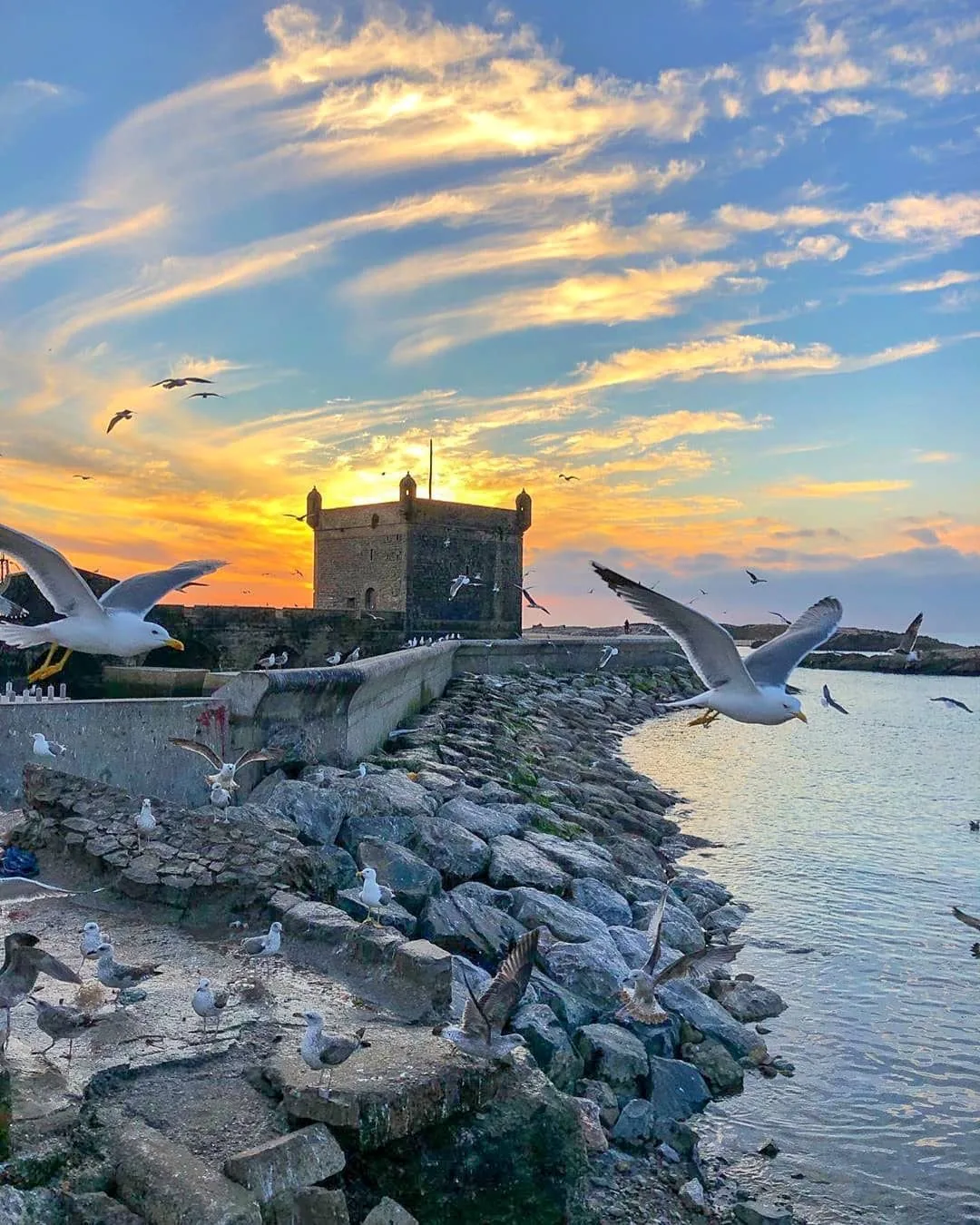
- Ocean ramparts, a working fishing harbour and wooden boatbuilding
- Woodwork, crafts and Gnawa music
- A milder, windier Atlantic climate than Marrakech
A port built to a plan
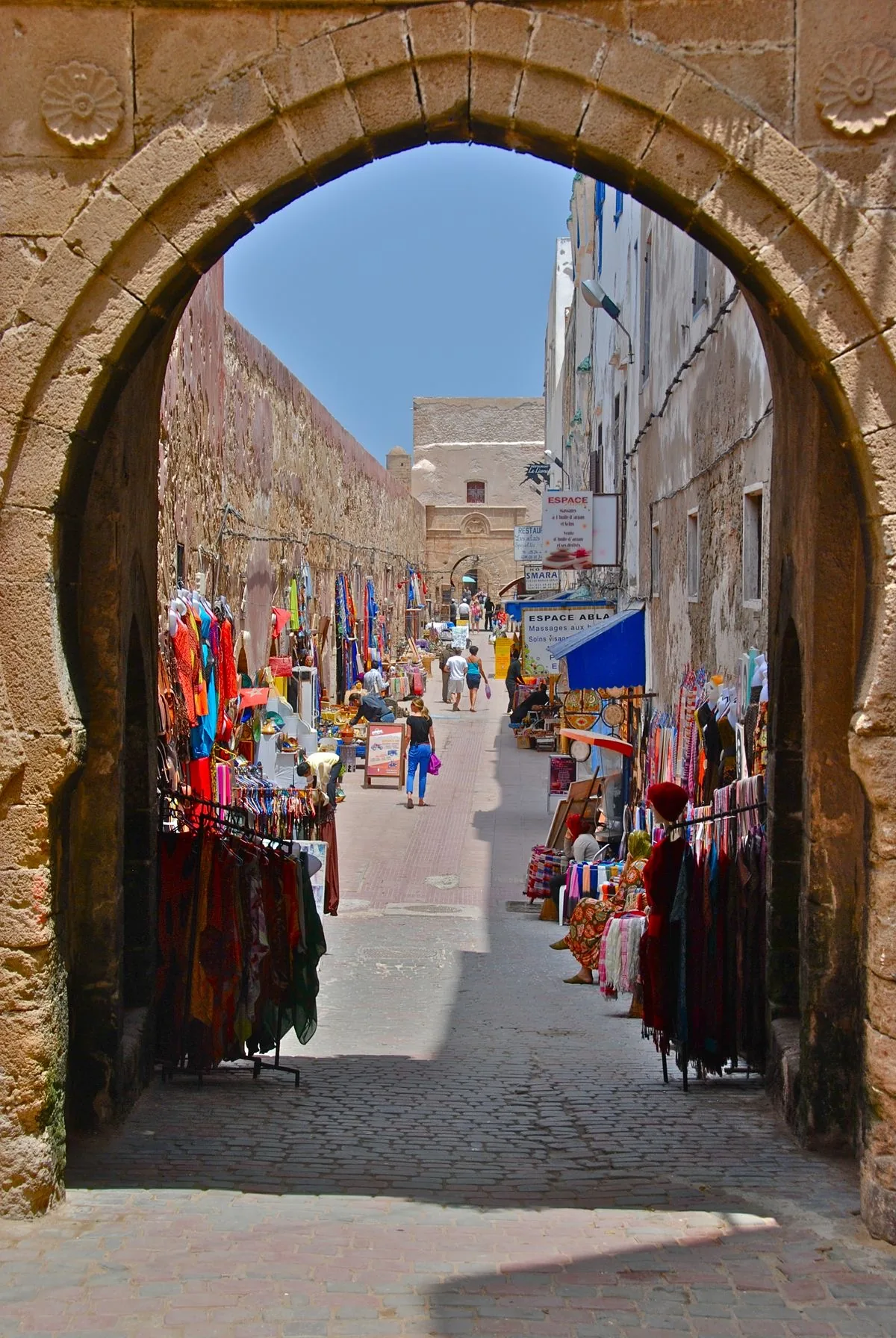
Unlike most Moroccan medinas, Essaouira was designed rather than grown. Sultan Sidi Mohammed ben Abdallah commissioned the town in the 1760s, and its layout was drawn by Théodore Cornut, a French engineer, following European principles of military architecture adapted to a North African town. The result is a medina of straighter streets, regular squares and ramparts facing the ocean, unlike the winding lanes of Marrakech or Fez.
The sultan intended Essaouira to be Morocco’s main port for trade with Europe, and for a time it was. Goods carried by caravan from the Sahara reached the Atlantic here, and merchants from many backgrounds settled in the town, including a large Jewish community whose former quarter, the mellah, remains part of the medina.
The medina, the ramparts and the harbour
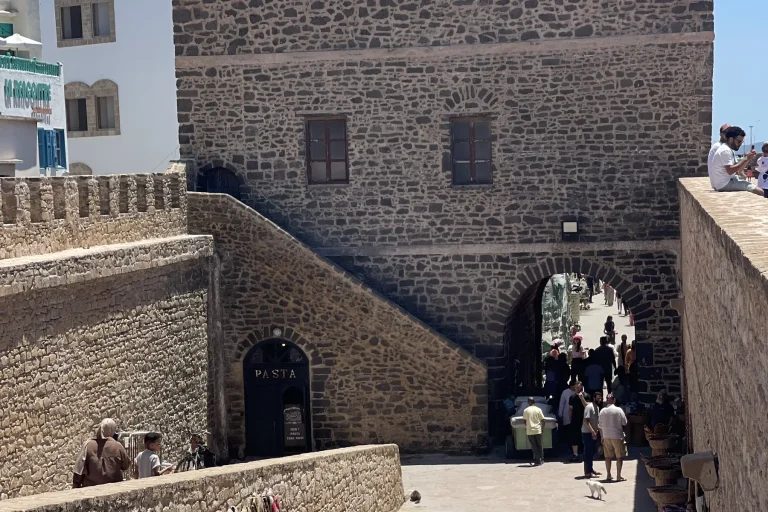
The medina is compact and easy to walk. Whitewashed houses with blue shutters line its streets, the sea bastions still carry their old cannon, and the harbour just outside the walls is busy with fishing boats and gulls. The town has long been associated with crafts, particularly woodwork, and with music: Gnawa, the spiritual music tradition recognised by UNESCO as intangible heritage in 2019, has a strong presence here.
The port is still a working one. Fishing boats unload their catch on the quay, boatbuilders work on wooden hulls beside the water, and the fish market is part of the town’s daily routine rather than a show for visitors.
The country around the town is argan country, part of a UNESCO biosphere reserve dedicated to the argan forest of south-western Morocco.
Essaouira on our routes
Essaouira is the destination of the Essaouira private day journey from Marrakech, which travels to the coast and back within the day.
Journeys that pass through here
Essaouira Private Day Journey from Marrakech
- Marrakech
- Essaouira
- Marrakech
Ways to experience this place
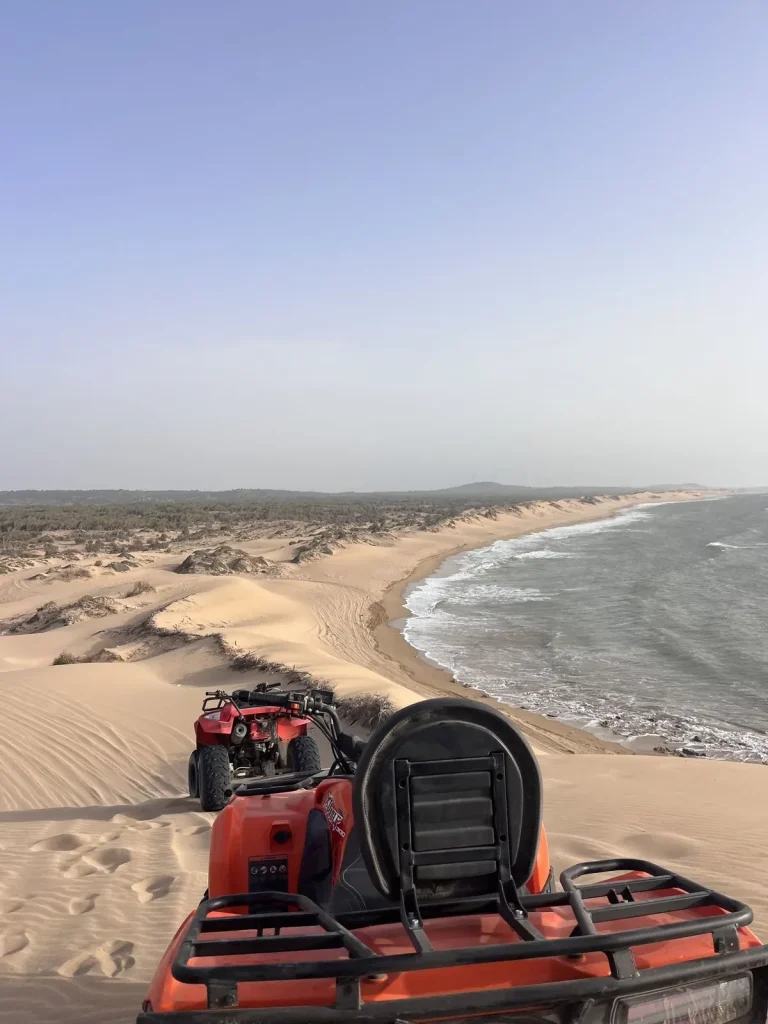
A day or a longer stay?
A day is enough to walk the medina, see the ramparts and the harbour, and feel the change of air from Marrakech. Essaouira’s real character, though, is its pace, and that shows best with time: early mornings at the port, evenings on the ramparts, a town that empties when the day visitors leave. If the coast is a priority, it is worth asking about a longer stay when you plan.
Weather on the coast
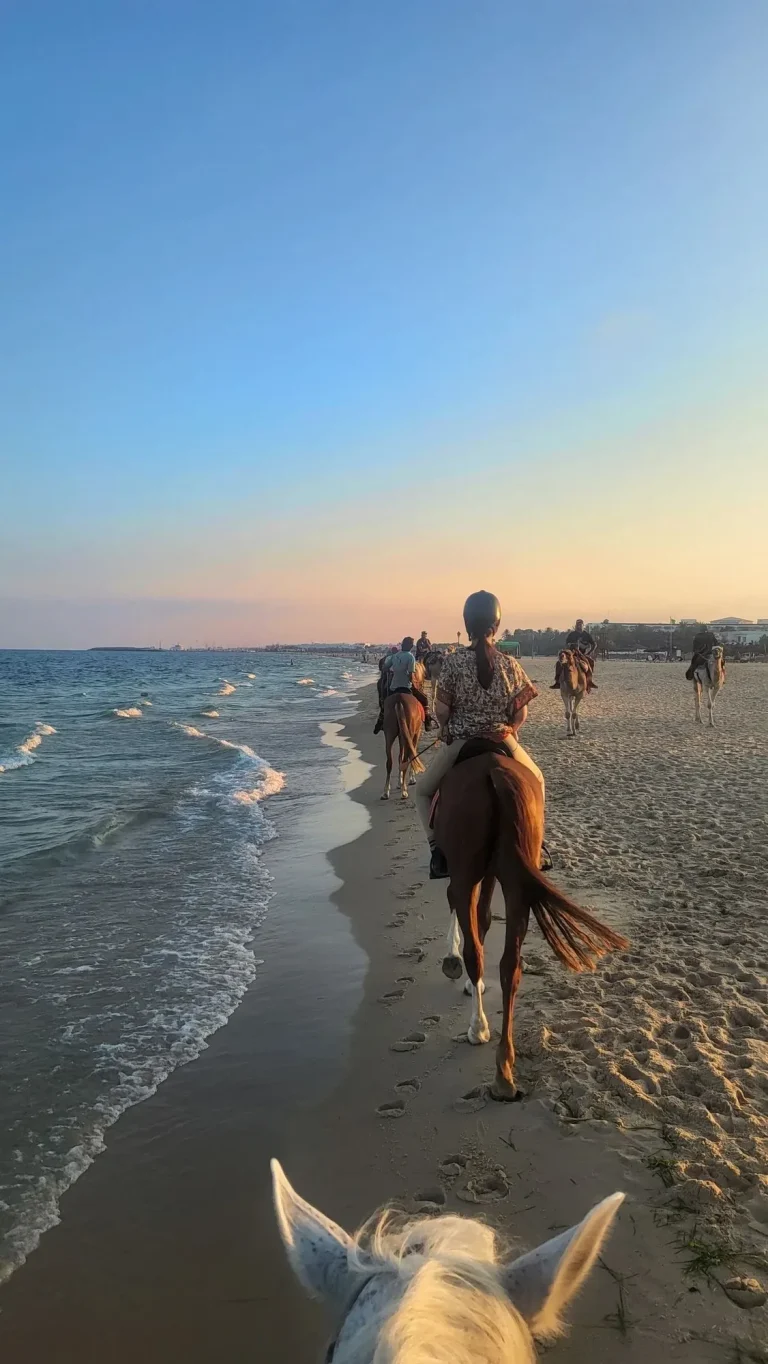
Essaouira is shaped by the Atlantic. Summers are far milder than in Marrakech, and winters are gentle. The town is also known for its wind, which blows strongly and often, especially in summer. It keeps the air fresh but makes beach days less predictable than the long stretch of sand might suggest.
Questions travellers ask
Is Essaouira worth a day trip from Marrakech?
For many travellers, yes: it is the simplest way to add the Atlantic coast and a very different kind of Moroccan town to a Marrakech stay. It does make for a long day, so it suits those who want a complete change of scene.
Why was Essaouira called Mogador?
Mogador was the name long used by Europeans for the town and its offshore island. Essaouira is the Arabic name, and it came into general use after Moroccan independence in 1956.
Is Essaouira a beach destination?
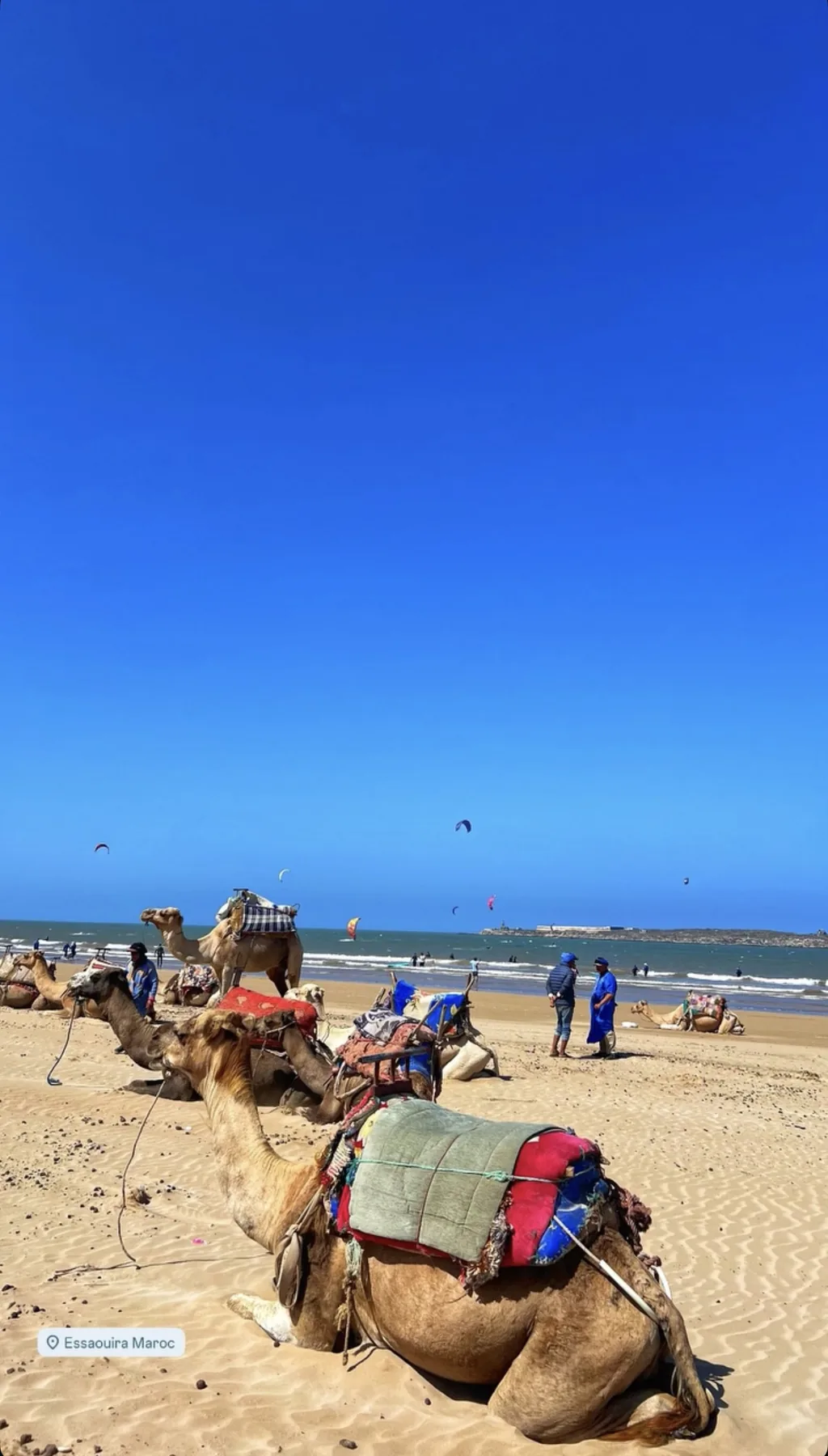
It has a long sandy beach, but the frequent wind makes it better for walking than for lying in the sun. The town itself, its medina and its harbour, is the main reason to go.
How is Essaouira different from Marrakech?
Marrakech is an inland imperial city of dense lanes and great monuments; Essaouira is a planned eighteenth-century port, smaller, calmer and open to the ocean. Many travellers find the two complement each other well.