Moroccan Cooking Experience
Learning to prepare Moroccan dishes by hand, from balancing the spices to the slow cooking.
A request, not a booking.



- Kind of experience
- Food and culture
Moroccan food carries the country’s history. Its dishes draw on Amazigh, Arab-Andalusian and Jewish traditions, and its best-known names, tagine, couscous and pastilla among them, depend as much on technique and patience as on recipes.
A cooking experience turns that from something you taste into something you do: handling the spices, building a dish in layers and understanding why it takes the time it does.
The tagine: a pot and a dish
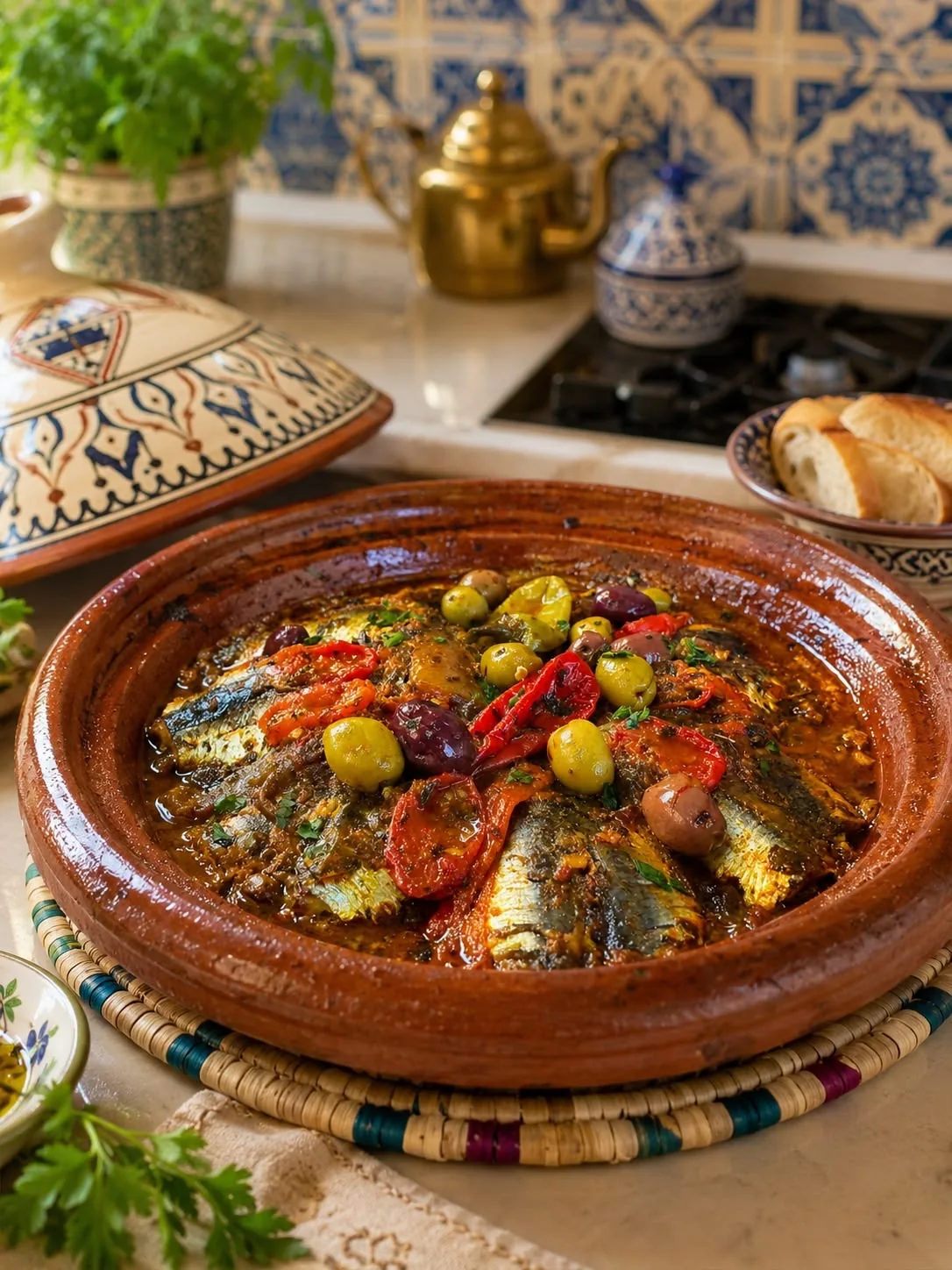
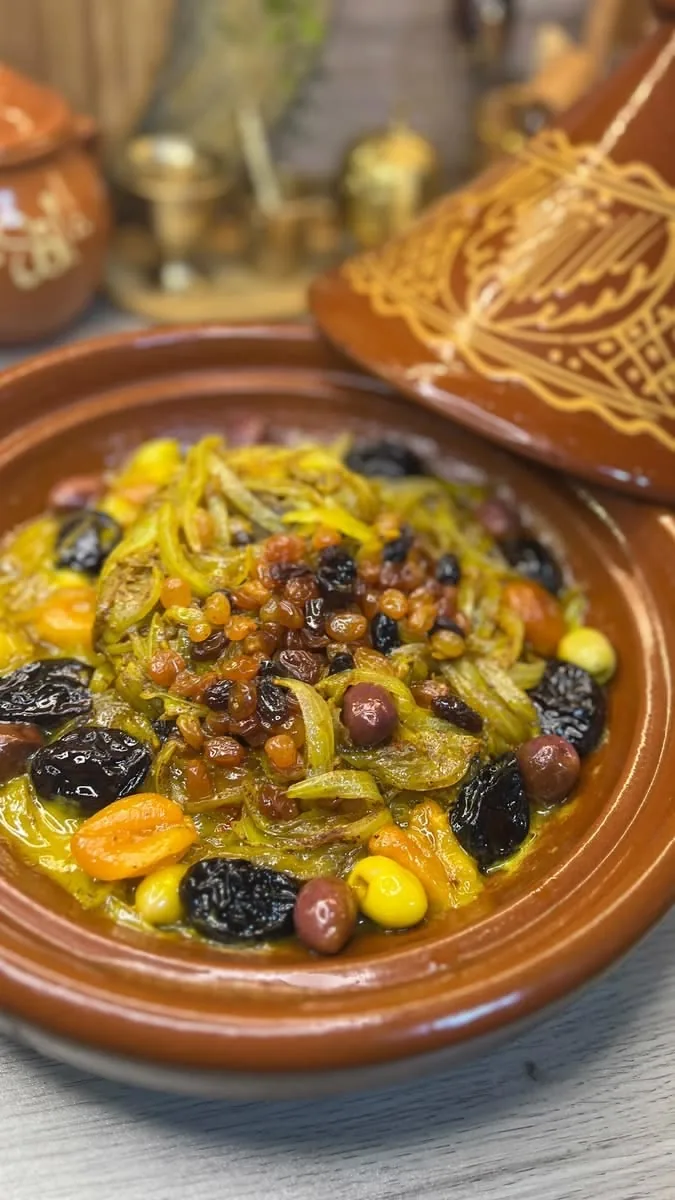
The word tagine names two things. It is the cooking vessel, a shallow earthenware dish with a tall conical lid, and it is the slow-cooked stew made in it. The shape of the lid is the point: steam rises, condenses and runs back down into the dish, so meat, vegetables and fruit cook gently in their own juices with very little water. Learning to cook a tagine is learning patience, layering and low heat.
Couscous and the shared table
Couscous, steamed rather than boiled and traditionally rolled by hand from semolina, is one of the foundations of the Maghreb’s cuisine. The knowledge and practices around it are recognised by UNESCO as intangible heritage shared by Morocco, Algeria, Mauritania and Tunisia. In many Moroccan homes it is the dish of the Friday family meal, served from a single large platter in the middle of the table.
Spices and balance
Moroccan cooking is aromatic rather than fiery. Cumin, ginger, turmeric, cinnamon, paprika and saffron appear again and again, often together in blends such as ras el hanout, alongside preserved lemons, olives, fresh herbs and dried fruit. The skill lies in balance: sweet against savoury, spice against freshness, so that no single flavour dominates.
What you take away
The value lies less in reproducing a menu than in understanding a cuisine: how spices are balanced rather than piled on, why some dishes cook slowly over low heat, and how a shared meal comes together. That understanding stays useful at every table you sit at in Morocco.


Cooking or a food walk?
Cooking is hands-on and centred on making. The Marrakech gastronomic walking experience is about tasting and seeing how the city eats. They answer different curiosities, and they work well together.
How it fits into a journey
It suits the city chapters of a route: a slower moment between days on the road, or part of a longer stay in Marrakech. Early in a trip, it makes every later meal more legible.
Where it takes place
Where it is held, and its format, are still being confirmed, and it is not yet part of any of our journeys.
Questions travellers ask
What dishes does the experience cover?
The dishes depend on the format, which is still being confirmed. Tagine and couscous are the foundations of Moroccan home cooking, but the exact menu is agreed when you plan.
Can dietary needs be accommodated?
Mention any dietary needs when you plan; how they can be met depends on the format, which is still being confirmed.
Is it a demonstration or hands-on?
It is meant as a hands-on experience: preparing and cooking rather than only watching.
Do I need cooking experience?
No. Understanding how the dishes are built matters more than kitchen skills.