Why Travel to Morocco? A First Look at the Country
Mountains, desert, imperial cities and two coastlines, a few hours from Europe: a first look at what makes Morocco so rewarding to visit.
Morocco sits at the north-western corner of Africa, separated from Spain by the Strait of Gibraltar, only 14 kilometres wide at its narrowest. It is a few hours’ flight from much of Europe, and yet it feels like a different world: a country of mountains and desert, imperial cities and earthen villages, two coastlines and a culture shaped by Amazigh, Arab, Andalusian and African influences. This guide is a first look at why it draws travellers back again and again.
Many landscapes in one country
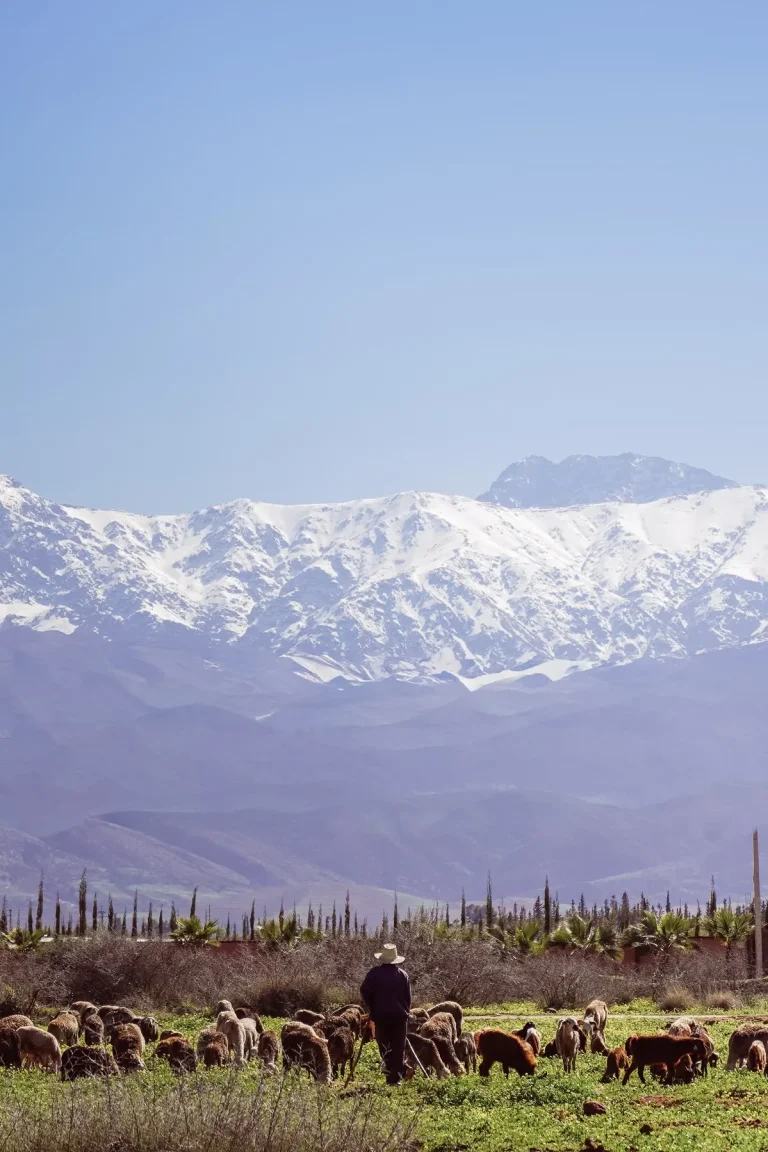
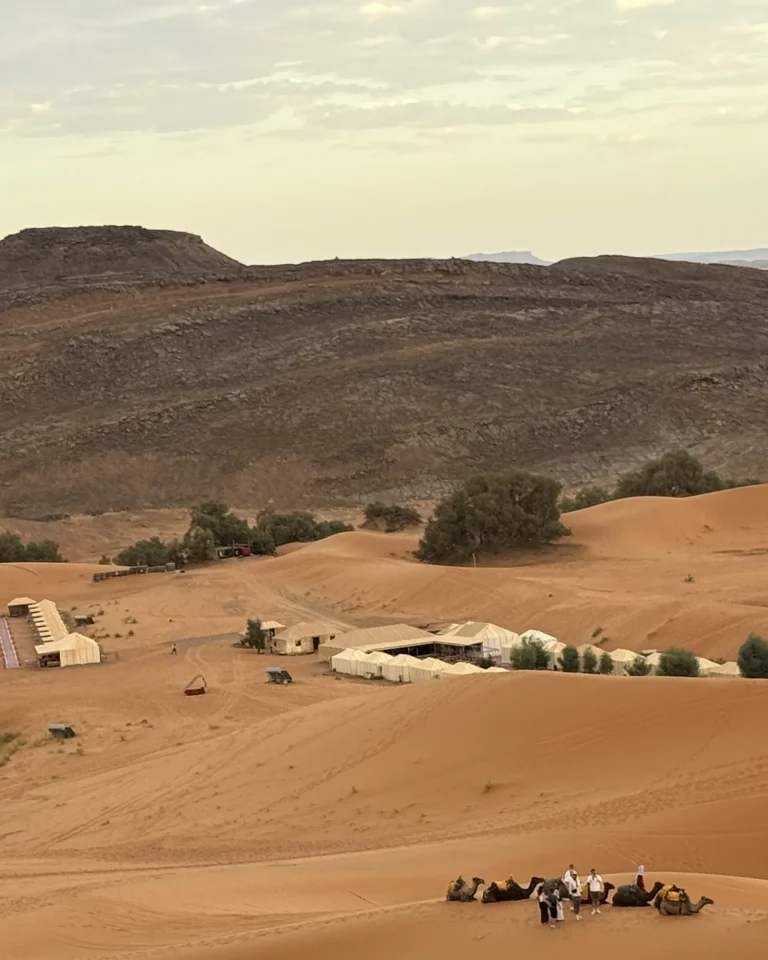
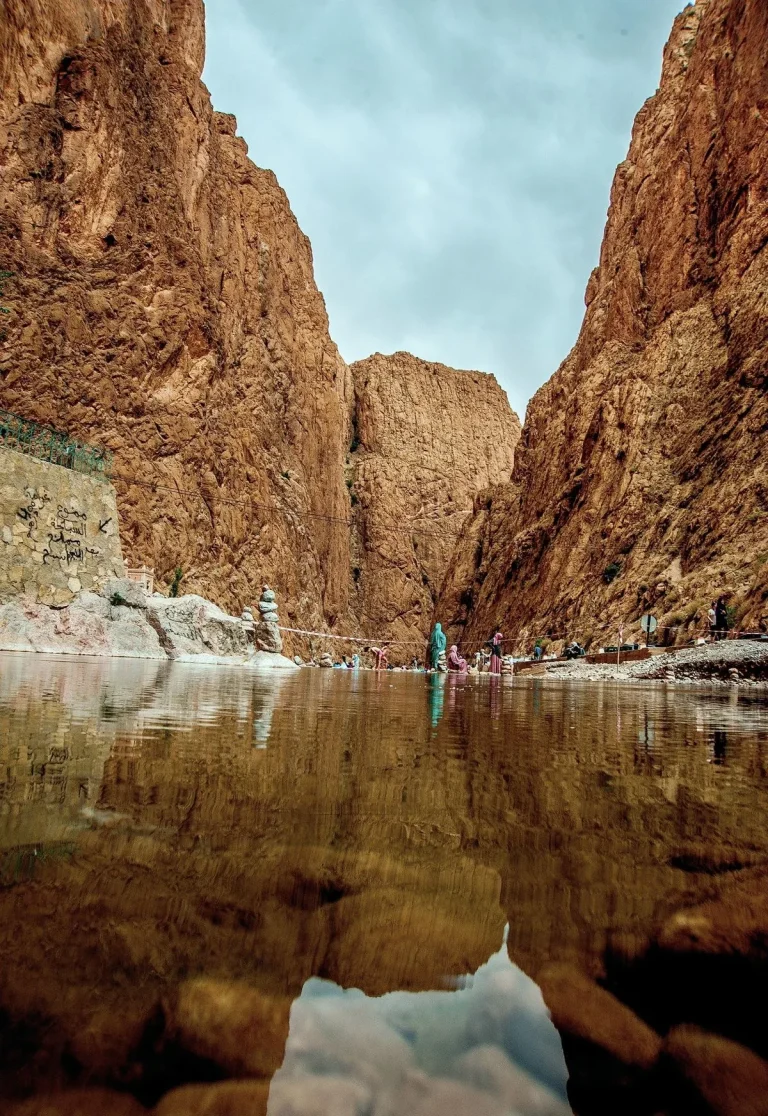
Few countries change so completely over such short distances. The Mediterranean coast runs along the north and the Atlantic along the west. Inland, the Rif, the Middle Atlas, the High Atlas and the Anti-Atlas rise one after another; the highest summit, Jbel Toubkal, reaches 4,167 metres and is the highest peak in North Africa. Beyond the mountains, oasis valleys such as the Draa and the Dades lead towards the Sahara and its great sand seas, Erg Chebbi and Erg Chegaga.
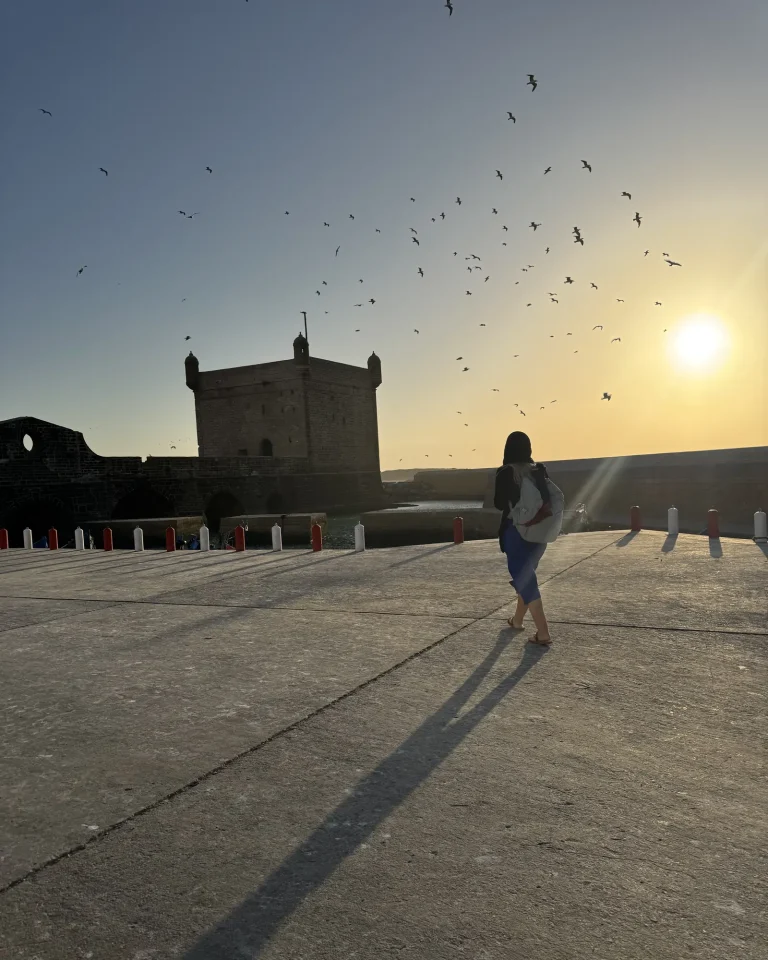
From Marrakech alone, the High Atlas is within easy reach for a day, the Atlantic port of Essaouira is a day trip away, and the edge of the Sahara can be reached in two or three days on the road.
History you can walk through
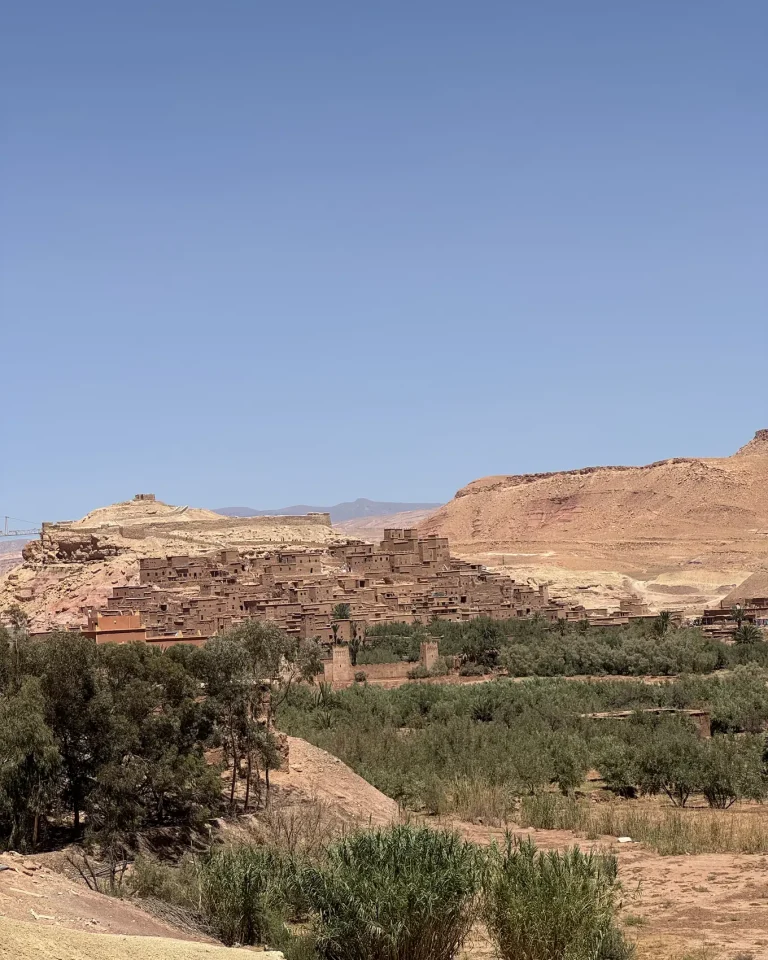
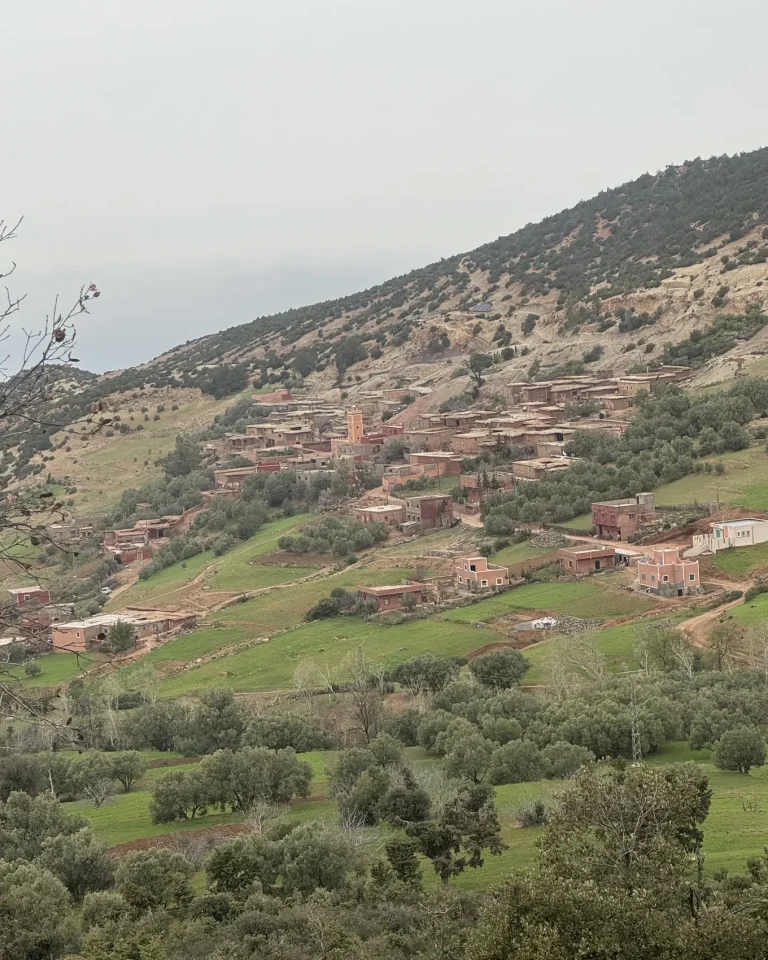
Morocco has nine sites on the UNESCO World Heritage List, among them the medinas of Fes, Marrakech and Essaouira, the earthen ksar of Aït Ben Haddou and the Roman city of Volubilis. These are not museums. The medinas are living cities, with their markets, workshops, mosques, schools and homes still in use, and the ksour of the south are reminders of the caravan routes that once crossed the Sahara.
Four cities have served as royal capitals, the imperial cities of Fes, Marrakech, Meknes and Rabat, and each has its own character: Fes dense and scholarly, Marrakech open to the plain and the mountains, Meknes monumental, Rabat the modern capital by the ocean.
A culture of welcome
Moroccan culture is layered. Amazigh peoples lived here long before the arrival of Islam, and Amazigh languages are spoken widely today; since 2011 both Arabic and Amazigh have been official languages. Arab, Andalusian and Jewish traditions have all left their mark on the cities, the music, the architecture and the food. French is widely spoken, and English is increasingly common in places that welcome visitors.
Hospitality is part of daily life. A glass of sweet mint tea is the classic gesture of welcome, offered in homes, shops and guesthouses alike.
Food, crafts and markets
Moroccan cooking is one of the great cuisines of the Mediterranean world: slow-cooked tagines, couscous, fragrant spices, fresh bread and sweet pastries. The knowledge and practices around couscous are recognised by UNESCO as intangible heritage shared by four countries of the Maghreb, Morocco among them.
Craft traditions are just as alive. In the souks you will find leather, metalwork, carved wood, ceramics, carpets and the geometric tilework called zellige, often made in workshops a few steps from where they are sold.
Why travel privately
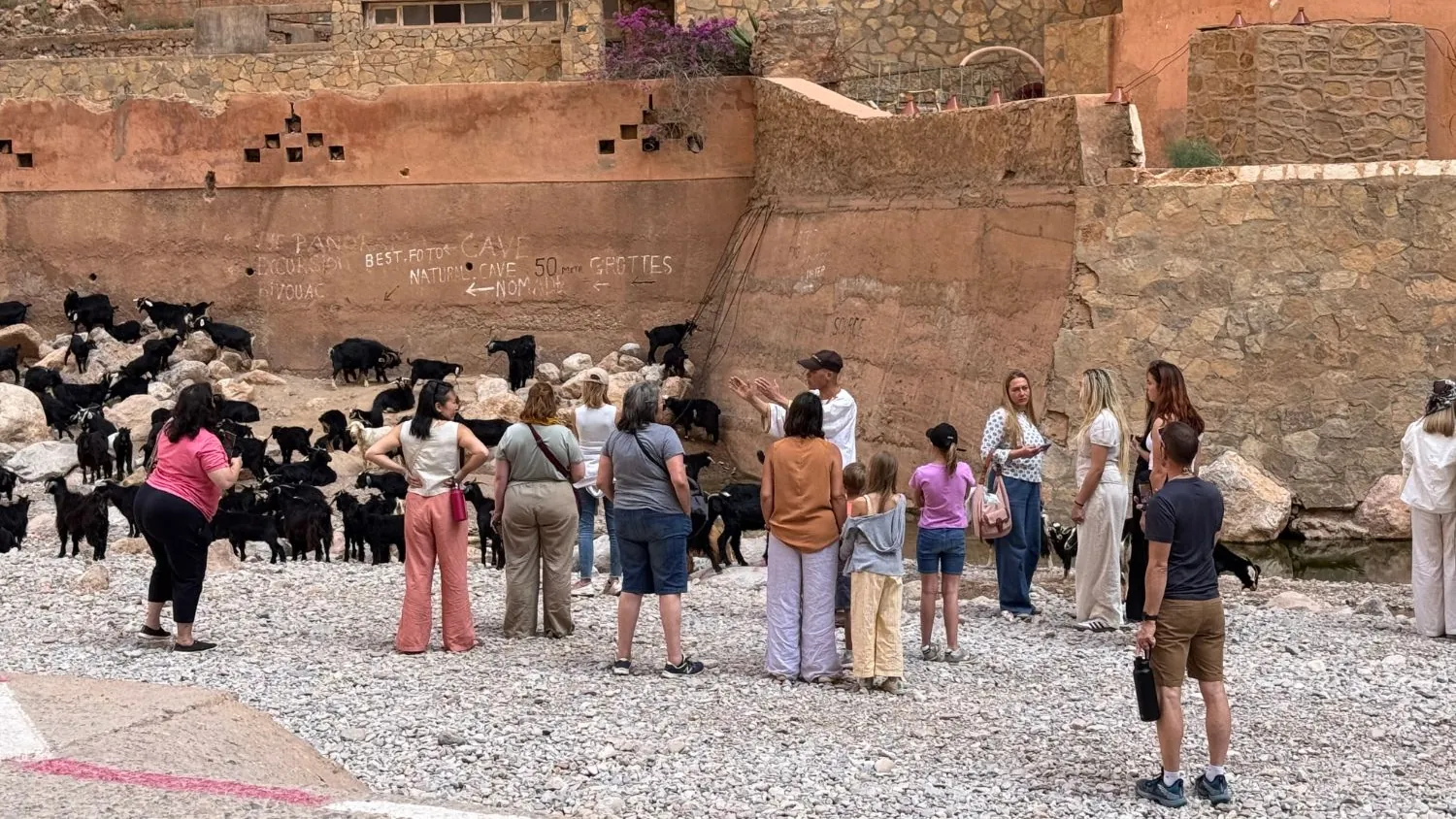
Morocco rewards a little help. Distances between regions are long, the medinas are easy to get lost in, and the best moments often come from stopping where a group tour would not. A private journey lets you set the pace: an extra hour in a valley, a slower morning in the city, a night in the desert when the light is right.
Morocco Passage designs private journeys from Marrakech, from half a day in the city to three days across the High Atlas to the Sahara. Arrival and transfer needs can be discussed as part of your enquiry. When you are ready, tell us about your trip.
Questions travellers ask
Is Morocco a good destination for a first visit to Africa or the Arab world?
For many travellers, yes. It is close to Europe, used to welcoming visitors, and varied enough to suit city lovers, walkers and those who want to see the desert.
Do I need to speak Arabic or French?
No. A few words of greeting are always appreciated, and French is widely understood, but many people working with visitors also speak English.
What is the best way to see several regions?
Start from a base such as Marrakech and add the regions you care about most: a day in the High Atlas, a day on the coast, or a few days to reach the Sahara. Our guide to how many days you need shows how they fit together.